

McQuillan Home Services Launches 'Start the Year Safe' Initiative to Address Home Safety Hazards in the Twin Cities
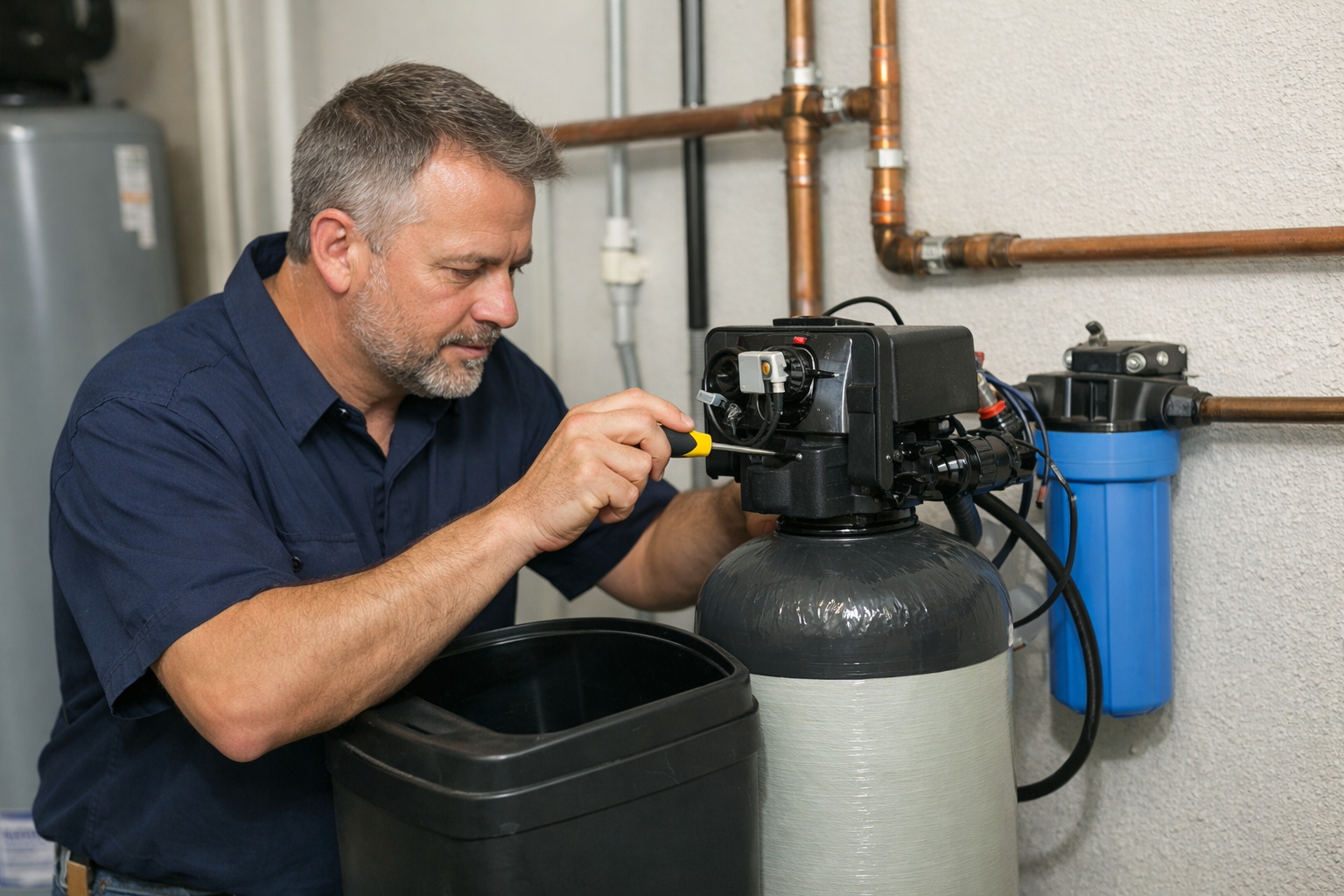
A technician repairing a water softener.

A technician inspecting an electrical panel.
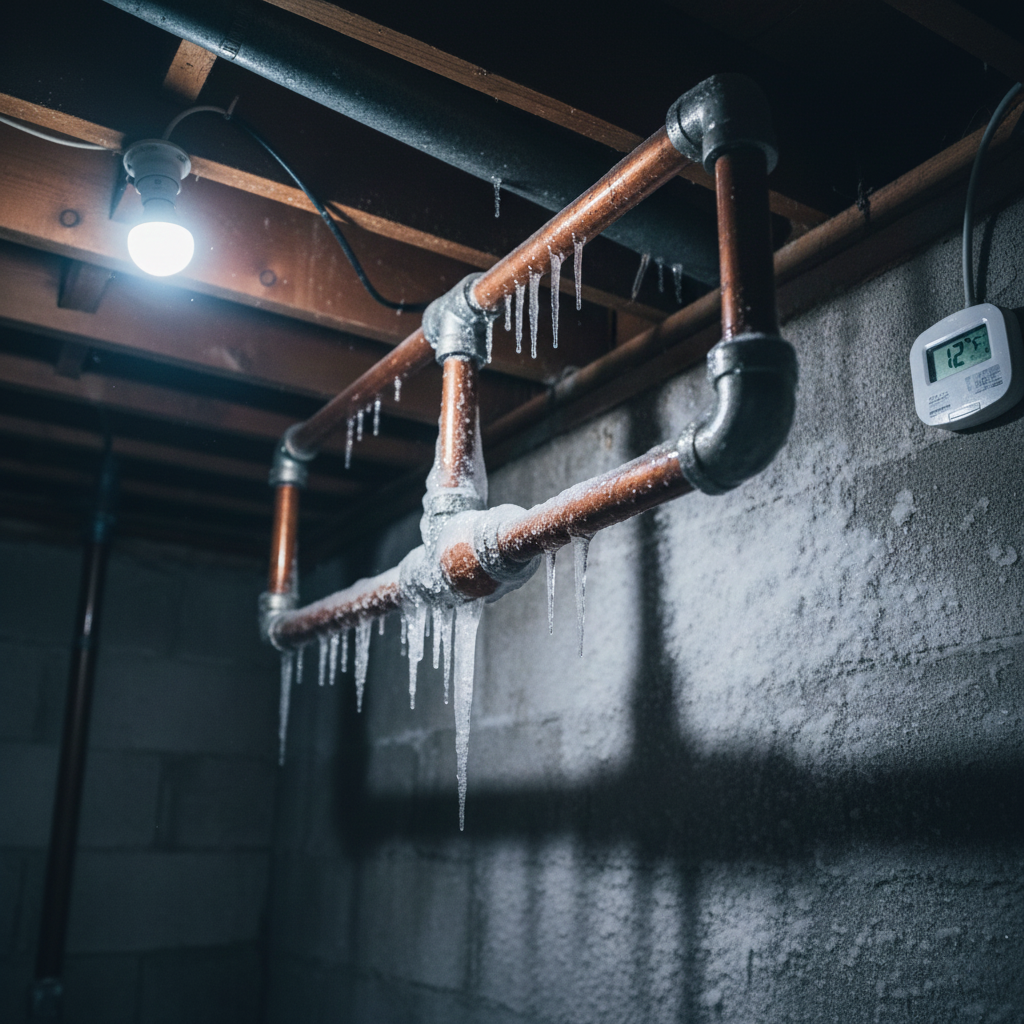
Frozen basement pipes covered in ice and icicles during cold weather.
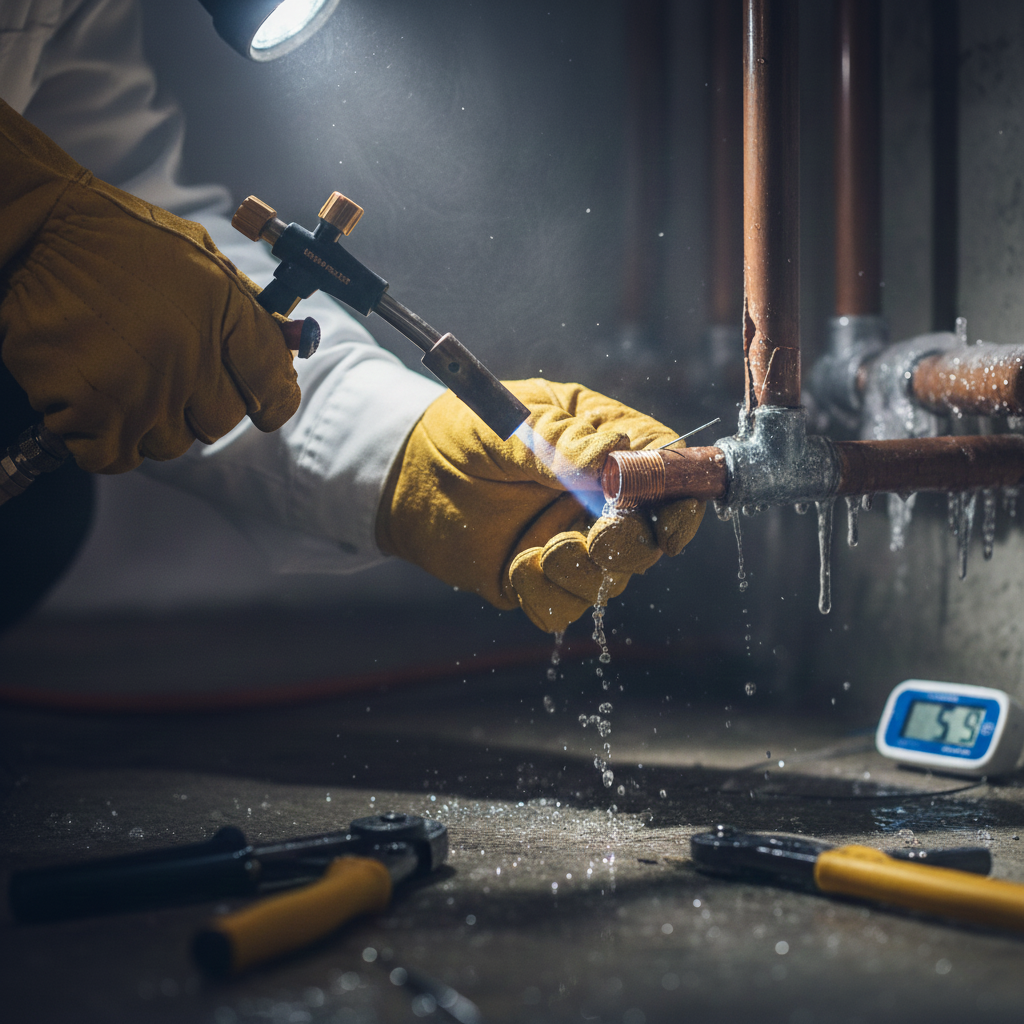
Plumber repairing a leaking frozen pipe with a torch in a cold basement.
McQuillan Home Services launches "Start the Year Safe" initiative, providing expert inspections to address winter plumbing, HVAC, and electrical risks in 2026.
SAINT PAUL, MN, UNITED STATES, January 2, 2026 /EINPresswire.com/ -- McQuillan Home Services, a provider of residential plumbing, heating, and electrical solutions in the Minneapolis-St. Paul metropolitan area since 1883, today announced the formal commencement of its "Start the Year Safe" initiative. The program is a comprehensive residential safety campaign designed to mitigate the systemic risks associated with aging home infrastructure during the peak of the Minnesota winter season.The initiative arrives as local climate data indicates an increase in freeze-thaw cycles and extreme temperature volatility, which place unprecedented stress on residential mechanical systems. By focusing on professional diagnostic oversight and homeowner education, the program aims to reduce the incidence of preventable domestic emergencies, including carbon monoxide exposure, electrical fires, and catastrophic water damage resulting from burst pipes.
“The onset of January represents the most demanding period for residential infrastructure in the Midwest,” said a representative for McQuillan Home Services. “Our data from over a century of service shows that the cumulative stress of sub-zero temperatures often exposes latent vulnerabilities in furnace heat exchangers and plumbing insulation. The ‘Start the Year Safe’ initiative is structured to move the conversation from reactive repair to proactive risk management.”
Factual Context of Winter Residential Hazards
The initiative is informed by historical service trends and regional safety data. In Minnesota, the winter months coincide with a measurable increase in residential fire and health hazards. According to the Minnesota Department of Health and local safety authorities, carbon monoxide (CO) poisoning remains a critical concern during the winter when homes are sealed against the cold. Small cracks in a furnace’s heat exchanger, often undetectable without specialized combustion analysis equipment, can allow colorless, odorless gas to infiltrate living spaces.
In addition to air quality concerns, the physical structure of Minnesota homes faces unique challenges due to the frost line. As the ground freezes deeper into the winter, external plumbing lines and sewer connections are subjected to shifting soil and extreme thermal contraction. These forces can lead to hairline fractures in service lines that do not manifest as major issues until the spring thaw, often causing significant structural damage in the interim.
Furthermore, the electrical systems of many historic homes in the Twin Cities were not originally engineered to support the power loads of modern appliances, space heaters, and electric vehicle charging stations. This discrepancy between infrastructure capacity and contemporary demand is a primary contributor to electrical arc faults and circuit overloads during the high-demand winter months.
Structural Components of the Initiative
The “Start the Year Safe” program organizes residential safety into three primary pillars: thermal integrity, hydraulic stability, and electrical load management.
1. Thermal Integrity and Air Quality
The heating component of the initiative emphasizes the necessity of combustion safety. Technicians participating in the program utilize calibrated sensors to monitor for gas leaks and CO levels. The initiative also addresses the physical maintenance of venting systems. Heavy snowfall and ice accumulation can block furnace intake and exhaust pipes, leading to system shutdowns or the back-drafting of exhaust gases into the home.
The technical assessment includes a "Cycle Stress Test," which observes the furnace during a full heating cycle to ensure that safety switches, such as the limit switch and flame sensor, are functioning within the manufacturer's specified tolerances. These components are critical for preventing "rollout," a condition where flames escape the combustion chamber.
2. Hydraulic Stability and Freeze Prevention
Plumbing safety during the first quarter of the year is primarily focused on the prevention of pipe bursts. When water freezes within a copper or PEX line, the resulting expansion can exert pressure exceeding 40,000 PSI, far beyond the burst rating of standard residential piping. The initiative provides homeowners with protocols for insulating exposed supply lines in unconditioned spaces, such as crawlspaces and rim joists, which are most susceptible to the "deep freeze" effect common in January.
Beyond pipe bursts, the initiative scrutinizes the operation of sump pumps. While January is typically a frozen month, mid-winter "thaw events" are becoming more frequent in the Twin Cities. A sump pump that has seized during a dormant period can fail to activate during a rapid snowmelt, leading to flooded basements and secondary mold growth.
Additionally, the program includes the inspection of water heater Temperature and Pressure (T&P) valves. As water heaters work more intensively to heat incoming groundwater, which can drop to near-freezing temperatures in the winter, the internal pressure of the tank increases. A malfunctioning T&P valve represents a significant mechanical hazard, as it serves as the primary failsafe against tank over-pressurization.
3. Electrical Load and Fire Prevention
As part of the safety campaign, McQuillan Home Services has integrated comprehensive electrical walkthroughs into their standard service protocols. This includes the testing of Ground Fault Circuit Interrupters (GFCIs) in high-moisture areas and the thermal imaging of electrical panels to identify "hot spots" that indicate loose connections or overloaded breakers.
The electrical portion of the initiative also addresses the "hidden" hazards of attic and crawlspace wiring. In older homes, "knob-and-tube" wiring or aluminum wiring may still be present. When homeowners increase their heating load with electric space heaters, which can pull 12.5 to 15 amps on a single circuit, these older wiring systems can reach dangerous temperatures behind walls without tripping a standard breaker.
Historical Perspective on Twin Cities Housing Stock
The Minneapolis-St. Paul region possesses some of the most diverse and historically significant residential architecture in the United States. However, the age of this housing stock creates a specific set of safety requirements. Homes built between 1880 and 1940 often feature gravity-fed heating systems that have been retrofitted multiple times, or plumbing systems that utilize disparate materials like lead, galvanized steel, and copper.
McQuillan Home Services, having operated through the transitions from coal to oil and eventually to natural gas, utilizes this historical context to provide more accurate safety assessments. For example, a home in the Summit-University neighborhood may have different electrical grounding requirements than a 1970s split-level in a surrounding suburb. The "Start the Year Safe" initiative accounts for these architectural nuances by assigning technicians with specific expertise in vintage home systems.
Industry Significance and Public Impact
The “Start the Year Safe” initiative reflects a broader shift within the home services industry toward holistic system management. Rather than addressing mechanical components in isolation, the program treats the home as an interconnected ecosystem where a failure in the heating system can lead to secondary plumbing failures (such as frozen pipes) or electrical hazards.
“Homeowners often view their furnace, water heater, and electrical panel as separate entities,” noted a lead technical advisor at McQuillan. “In reality, these systems are deeply interdependent. A boiler failure in -10°F weather can lead to a total plumbing failure within hours. By addressing these risks through a single, coordinated safety initiative, we provide a more resilient safety net for the community.”
The initiative also addresses the economic implications of home maintenance. Data suggests that proactive inspections conducted during the "Start the Year Safe" period can reduce the likelihood of emergency service calls, which often carry premium labor rates and higher parts costs due to limited availability, by up to 30% over the course of the season.
Broader Economic and Environmental Implications
Safety-focused maintenance also intersects with environmental sustainability. A system that is operating safely is almost invariably operating at peak efficiency. For example, a furnace with a clean burner assembly and clear exhaust path consumes less natural gas, reducing both the homeowner’s utility expenditure and the home’s overall carbon footprint.
In the context of the 2026 energy landscape, where utility rates continue to fluctuate based on global supply chains, the "Start the Year Safe" initiative serves as a tool for fiscal predictability. By identifying inefficient or hazardous operating conditions early in the year, residents can make informed decisions about repairs versus replacements, avoiding the "distress purchase" scenario that often occurs during a mid-winter system collapse.
Community Safety and the Minnesota Cold Weather Rule
The initiative also highlights the importance of the Minnesota Cold Weather Rule (CWR), which protects residents from utility shut-offs during the winter months. However, the CWR does not protect residents from mechanical failures. McQuillan Home Services aims to fill this gap by ensuring that even if the utility service is active, the delivery mechanism (the furnace or boiler) is safe to operate.
“Integrity in home services is defined by the ability to prevent a crisis before it occurs,” stated a company spokesperson. “Our technicians are trained to look beyond the immediate repair to identify the systemic risks that could compromise a family’s safety. This initiative provides a structured framework for that level of professional vigilance.”
Another senior member of the technical team added, “The goal of this program is to ensure that every home we enter is objectively safer when we leave than when we arrived. Whether it's a simple battery replacement in a smoke detector or a complex gas line repair, the 'Start the Year Safe' initiative ensures that no detail is overlooked during the most dangerous months of the year.”
Future Outlook for Residential Safety Technology
As part of the initiative, McQuillan Home Services is also evaluating the integration of smart-home safety technology. This includes the installation of smart water-shutoff valves that can detect a leak and close the main water line automatically, as well as Wi-Fi-enabled CO detectors that send alerts to a homeowner’s smartphone.
While these technologies provide an additional layer of protection, the company maintains that there is no substitute for a physical, professional inspection. The "Start the Year Safe" initiative combines the latest in diagnostic technology with the "old-fashioned professionalism" that has characterized the company for over 14 decades.
About McQuillan Home Services
McQuillan Home Services is a family-owned and operated plumbing, heating, and cooling company based in St. Paul, Minnesota. Established in 1883, it is recognized as Minnesota’s original home service provider, having served five generations of residents in Ramsey, Washington, and Hennepin Counties. The company specializes in the maintenance, repair, and installation of HVAC systems, plumbing infrastructure, and residential electrical systems.
Headquartered in St. Paul, McQuillan Home Services maintains a workforce of licensed professionals dedicated to upfront pricing and high-caliber technical standards. The organization remains committed to the principles of integrity and community service that have defined its operations for over 140 years. For more information regarding the "Start the Year Safe" initiative or general home safety inquiries, visit the organization's official website.
Sami Celio
McQuillan Home Services
email us here
Visit us on social media:
LinkedIn
Instagram
X
Legal Disclaimer:
EIN Presswire provides this news content "as is" without warranty of any kind. We do not accept any responsibility or liability for the accuracy, content, images, videos, licenses, completeness, legality, or reliability of the information contained in this article. If you have any complaints or copyright issues related to this article, kindly contact the author above.
